
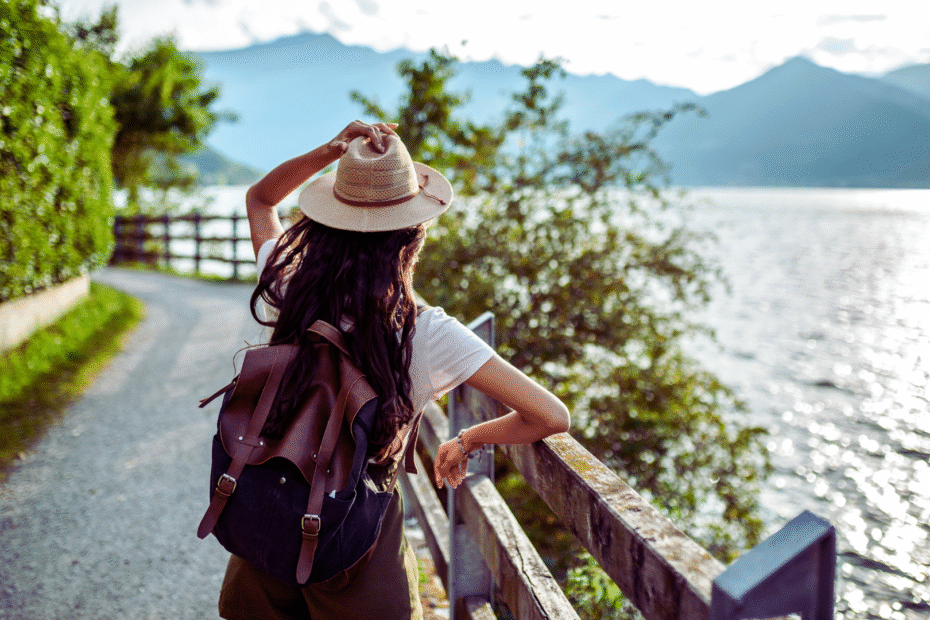
Solo travel can be an incredibly rewarding experience, offering freedom and adventure for those who embark on it. To plan a stress-free solo travel experience, it is essential to focus on thorough preparation and embracing flexibility. By taking the time to choose the right destination, plan accommodations, and engage with local cultures, travelers can set the stage for a fulfilling journey.
Researching potential destinations helps to identify ideal locations that cater to individual interests and travel style. Safety and accommodation options should be prioritized, ensuring comfort and security throughout the trip. Connecting with other travelers and locals can enhance the experience, providing insights and companionship where needed.
Setting realistic expectations and allowing for spontaneity will also contribute to a less stressful travel experience. By staying open to new experiences and managing time effectively, solo travelers can enjoy the journey without unnecessary pressure.
Core Strategies for Stress-Free Solo Travel
Planning a solo adventure involves careful consideration to ensure a stress-free experience. Key strategies include setting realistic expectations, choosing a suitable destination, and balancing detailed planning with flexibility.
Setting Realistic Expectations and Goals
Travelers should define clear goals for their solo trip. Whether aiming for relaxation or exploration, having defined purposes helps streamline decision-making.
She should anticipate challenges that may arise, such as feelings of loneliness or unexpected situations. Preparing for these aspects allows for a more enjoyable experience.
Creating a daily itinerary can provide structure, but it should not be too rigid. A flexible schedule allows the traveler to explore opportunities as they arise.
Choosing a Solo-Friendly Destination
Selecting the right location is critical for enjoyment and safety during solo travel. Urban environments often offer more amenities, support, and social opportunities that cater to solo travelers.
Destinations with good public transportation systems make navigation simpler. Countries known for their hospitality towards solo adventurers often enhance the travel experience.
Researching local customs and safety information provides additional peace of mind. Opting for well-reviewed accommodations can further ensure a stress-free stay, offering comfort and a sense of security.
Balancing Planning with Flexibility
While planning is essential, allowing room for spontaneity enriches the solo journey. It encourages exploration beyond strict itineraries, fostering unexpected, rewarding encounters.
She can create a loose plan with key activities while leaving open time for rest or unplanned exploration. This balance enhances the travel experience without overwhelming the solo traveler.
Having backup options for accommodations and attractions can further alleviate pressure. If a plan falls through, alternatives make it easier to adapt and continue enjoying the trip.
Smart Planning and Packing for Solo Travelers
Planning and packing are crucial for a stress-free solo travel experience. An organized approach helps travelers stay prepared while minimizing unnecessary stress. Focusing on essentials, managing important documents, and utilizing technology can significantly enhance the journey.
Packing Light and Essentials Only
Packing light is vital for solo travelers. It allows for greater mobility and reduces the hassle of managing bulky luggage. A well-planned packing list can help prioritize essentials.
- Clothing: Select versatile pieces that can mix and match. Aim for items that are lightweight and quick-drying.
- Footwear: Choose comfortable shoes suitable for walking and a pair for specific activities, like dining out.
- Toiletries: Opt for travel-sized versions or consider solid toiletries to save space.
Packing a portable charger is also essential. Staying connected is important for navigation and communication.
Organizing Important Documents
Keeping important documents organized is critical for solo travelers. This reduces the risk of losing essential items on the trip.
- Passport and ID: Store these in a secure, easily accessible location. A travel wallet can be beneficial.
- Itinerary and Reservations: Print or save digital copies of all bookings. Use folders or apps for organization.
- Emergency Contacts: Create a list of important contact numbers. Include the nearest embassy and local services.
Using a methodical approach ensures that documents are readily available when needed.
Leveraging Travel Apps and Technology
Travel apps can simplify solo travel. Using technology effectively can enhance navigation, planning, and overall experience.
- Google Maps: Download offline maps to stay oriented without relying on data. This is crucial in areas with limited connectivity.
- Travel Apps: Consider apps for booking accommodations, finding local attractions, or accessing public transport information.
- Safety Apps: Install safety apps that share your location with trusted contacts.
Employing these tools can make navigating an unfamiliar environment more manageable.
Ensuring Safety and Well-Being Alone
Solo travel offers unique freedom, but it also requires careful planning for safety and well-being. Prioritizing safety measures, maintaining communication, and preparing for possible health issues help create a smoother journey.
Solo Travel Safety Fundamentals
Before embarking on a trip, researching destinations is crucial. Travelers should consider safety ratings, local laws, and cultural norms. Areas with high crime rates should be avoided, especially after dark.
Key tips for safety:
- Always keep important documents secure.
- Use a money belt or a secure bag.
- Stay aware of surroundings and trust instincts.
Engaging with local communities can enhance safety. She should consider staying in hostels or guesthouses with good reviews that promote solo female travel.
Staying Connected During Your Journey
Maintaining communication is vital while traveling alone. She should have a working mobile phone equipped with local data or Wi-Fi capabilities. Popular applications like WhatsApp or Skype allow easy communication with friends and family.
It’s also beneficial to share travel itineraries with trusted individuals. Setting regular check-in times can ensure accountability.
Additional strategies include:
- Downloading offline maps for navigation.
- Keeping emergency contact numbers handy.
- Utilizing time zone features on devices for easy communication.
Being connected enhances not only safety but also emotional well-being while on the road.
Navigating Health, Insurance, and Emergencies
Health risks exist in unfamiliar environments. Prior to departing, she should obtain travel insurance that covers medical emergencies and trip cancellations. This provides peace of mind against unforeseen circumstances.
Travelers need to create a health checklist that includes:
- Necessary vaccinations.
- Personal medications, with prescriptions.
- Local hospitals and clinics.
In emergencies, access to personal insurance details is vital. She should also familiarize herself with the local healthcare system. Keeping a copy of insurance documents and emergency contacts accessible is crucial for quick responses.
Building Confidence as a Solo Traveler
Building confidence is an essential aspect of solo travel. Preparation and awareness can diminish anxiety about traveling alone. Joining online forums or groups for solo travelers can provide insights and support.
Practicing language basics and learning about local customs builds confidence. This can enhance interactions and promote a deeper experience.
Confidence-building tips include:
- Going on short solo trips before longer journeys.
- Setting personal goals for the travel experience.
- Embracing spontaneity while remaining cautious.
These strategies foster self-assuredness, allowing for a more enriching and enjoyable travel experience.
Maximizing Enjoyment and Connection on Your Trip
To enhance the travel experience, focusing on local spots, dining, and engaging activities is essential. Choosing accommodations wisely also plays a critical role in ensuring enjoyment and connection throughout the journey.
Finding the Best Local Spots and Experiences
Exploring local culture can elevate a solo travel experience. Researching places through travel blogs or apps can reveal hidden gems. Consider using resources like Yelp or TripAdvisor to discover well-rated, lesser-known attractions.
Visiting markets or cultural festivals allows travelers to immerse themselves in authentic experiences. Engaging with locals can provide insights that standard tourist spots cannot. They might share recommendations for unique experiences or events happening during the visit.
Walking tours are another excellent way to combine sightseeing with community interaction. Many cities offer free walking tours, which not only entertain but also present opportunities to meet fellow travelers.
Dining Solo with Confidence
Dining alone should not feel intimidating. Selecting restaurants that promote a welcoming atmosphere can enhance the experience. Look for places with bar seating, as they allow for easier interactions with staff and other diners.
When choosing a restaurant, consider trying local cuisine as a cultural experience. It’s helpful to schedule meals during non-peak hours to ease the pressure of dining solo.
Bringing a book or journal can provide comfort while eating alone. This can also serve as a conversation starter with nearby diners or staff. Additionally, many cities have food tours tailored for solo travelers, providing both cuisine and company.
Participating in Solo Activities and Local Events
Engaging in local events can foster connections and create memorable experiences. Checking local event calendars provides insights into concerts, exhibitions, or workshops happening in the area.
Classes such as cooking or art can be ideal for meeting like-minded individuals. They can enhance creativity while encouraging interaction with locals. Attending meetups or social groups designed for travelers can also expand social circles.
Volunteering is another fulfilling way to connect with the community. Find opportunities that align with interests, making a positive impact while interacting with residents.
Choosing the Right Accommodations
The choice of accommodation influences the travel experience significantly. Opting for boutique hotels or hostels can provide a cozy atmosphere conducive to meeting fellow travelers.
Consider accommodations that offer social spaces, such as communal kitchens or lounges. These areas encourage interactions and friendships, providing opportunities to share experiences with others.
Staying in a location that is walkable to local attractions can also enhance enjoyment. This facilitates easy exploration without the need for complex transportation.
By prioritizing local experiences, dining options, and community events, solo travelers can maximize both enjoyment and connectivity.