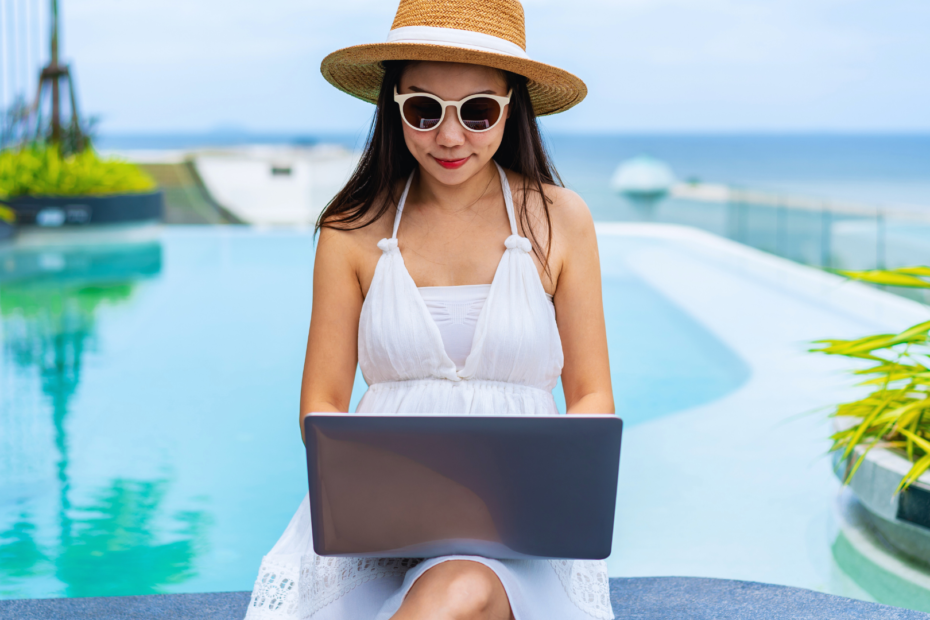
Digital nomadism is transforming the way people approach their work-life balance. As remote work gains traction, individuals are discovering the freedom to travel while maintaining their careers. With the right strategies and tools, anyone can seamlessly blend work and adventure on the road.
Flexibility is a defining characteristic of the digital nomad lifestyle. Those who embrace this way of living can explore new destinations without sacrificing their professional responsibilities. Utilizing a laptop and reliable internet access, they can work from cafes in Paris or beaches in Bali, creating a workspace that is as dynamic as their travel itinerary.
Tips for successfully navigating this lifestyle are essential for anyone looking to join the ranks of digital nomads. From finding suitable accommodations to establishing a work routine that suits their travel schedule, the right approach can lead to a fulfilling blend of exploration and productivity. With careful planning, the dream of working while traveling can become a reality.
Understanding Digital Nomadism
Digital nomadism combines remote work with travel, allowing individuals to work from various locations. This lifestyle emphasizes flexibility, work-life balance, and personal growth, fostering a vibrant community.
Concept and History
Digital nomadism emerged in the late 20th century, fueled by advancements in technology and the rise of the internet. Initially, freelancers and entrepreneurs sought to escape traditional office environments. The proliferation of laptops and mobile connectivity allowed for this shift, enabling remote work from anywhere.
As technology evolved, more people adopted this lifestyle. Co-working spaces and digital platforms facilitated communication and collaboration across borders. In this context, digital nomads began to develop their unique identities, embracing the transition from conventional work models to a more fluid approach.
Lifestyle and Community
The lifestyle of a digital nomad is characterized by frequent travel and a flexible work schedule. Nomads prioritize experiences over possessions, often staying in short-term accommodations like hostels or rentals.
Communities of digital nomads have formed globally, creating networks for support and collaboration. These communities often organize meetups and events, fostering connections among like-minded individuals. Such interactions can enhance personal growth and well-being, offering opportunities for cultural exchange.
Many nomads also share resources, advice, and tips through blogs and social media, further strengthening this community.
Social and Economic Impacts
Digital nomadism has notable social and economic effects on host locations. While it can promote local economies by increasing demand for services and hospitality, it may also contribute to gentrification, affecting local residents.
Societies welcoming digital nomads can benefit from the infusion of new ideas and skills. However, the pressures of rising living costs and displacement may negatively impact long-term residents.
Furthermore, digital nomads often advocate for sustainability and ethical travel practices, raising awareness of social and environmental issues in the regions they visit. This dual impact presents both challenges and opportunities for local communities.
Preparation and Planning for Digital Nomads
Preparation is essential for successful digital nomadism. Careful planning around locations, budgets, and legal requirements sets the foundation for a smooth experience.
Choosing the Right Locations
Selecting the right location is crucial for a digital nomad. Popular cities include Bali, Chiang Mai, Lisbon, and Medellín, each offering unique advantages.
- Bali: Known for its affordability and thriving community, it provides numerous coworking spaces and cultural experiences.
- Chiang Mai: Offers low living costs and a vibrant expat scene, ideal for those seeking a mix of work and relaxation.
- Lisbon: Combining rich history with modern amenities, it attracts tech-savvy professionals with its warm climate.
- Medellín: Famous for its pleasant weather and innovative atmosphere, it is becoming a hub for digital professionals.
Accessibility to reliable internet and amenities should also be considered when choosing a location.
Budgeting and Cost of Living
A well-structured budget is vital for maintaining financial stability. Cost of living varies widely between cities. For example:
- Bali: Monthly expenses can range from $800 to $1,500.
- Chiang Mai: Generally more affordable, with costs around $600 to $1,200, ideal for budget-conscious travelers.
- Lisbon: Higher expenses, typically around $1,500 to $2,500, reflecting its popularity and demand.
- Medellín: Provides great value with costs between $800 and $1,300.
When budgeting, account for accommodation, food, transportation, and entertainment. Setting aside funds for emergencies is also wise.
Visas and Legal Considerations
Understanding visa requirements is essential. Many countries now offer digital nomad visas tailored for remote workers. They often provide longer stays compared to standard tourist visas.
Key points regarding visas:
- Research specific visa types available in each country.
- Check application requirements, which may include proof of income and health insurance.
- Stay updated on any changes to visa policies, as they can impact travel plans.
Compliance with local laws is important to avoid fines or deportation. Planning ahead in this area ensures a stress-free work and travel experience.
Essentials of Remote Work While Traveling
When working remotely while traveling, having the right setup and tools can enhance productivity. Understanding connectivity and maintaining a work-life balance are equally crucial.
Setting Up Your Mobile Office
A well-equipped mobile office is vital. Start with tech gear that meets your needs, such as a lightweight laptop and noise-canceling headphones. Portable chargers and a global SIM card for mobile data ensure connectivity in various locations.
Consider co-working spaces as options for both work and networking. These spaces provide a structured environment and necessary amenities like high-speed internet and printing services. Using productivity tools like Trello or Asana can keep tasks organized. These platforms help track projects and deadlines, facilitating communication with remote teams.
Staying Connected and Productive
Reliable internet connection is essential. Research local Wi-Fi options, optimal co-working spaces, and cafes that offer free access. Carry equipment like a portable Wi-Fi hotspot to avoid disruptions.
Using a VPN enhances cybersecurity when accessing public networks. This protects sensitive information from potential breaches. Additionally, productivity tools like Notion can streamline workflows, combining note-taking and project management into one platform. Regular check-ins and updates with team members foster collaboration, keeping everyone aligned.
Maintaining Work-Life Balance on the Road
Establishing a routine helps maintain balance. Designate specific work hours to differentiate between work and leisure time. Setting boundaries aids focus during work hours and leaves time for exploration.
Engage in local activities when off the clock. Socializing with other travelers or locals can provide a refreshing break from work. Taking regular breaks during work hours is essential for mental clarity and productivity. Plan leisure activities or relaxation periods to recharge and avoid burnout.
Beyond Work: Embracing the Nomadic Lifestyle
Embracing a nomadic lifestyle offers a well-rounded experience that transcends professional obligations. It encourages adventure, supports personal growth, and fosters community among like-minded individuals.
Incorporating Travel and Adventure
Travel and adventure are integral to nomadic life. Discovering new cultures enhances work experiences. Engaging in local activities, such as hiking, cooking classes, or city tours, allows for immersion in surroundings.
Consider these activities:
- Local Tours: Join guided walks to learn about the history.
- Outdoor Adventures: Try activities like kayaking or mountain biking.
- Workshops: Participate in workshops on crafts or local cuisine.
Such experiences can provide inspiration, igniting creativity that feeds back into work projects.
Health and Wellness While Traveling
Maintaining health and well-being is vital for digital nomads. A consistent routine can help balance work and exploration. Incorporating regular exercise is important for both physical health and mental clarity.
Strategies include:
- Routine Workouts: Utilize apps or YouTube for guided workouts.
- Mindfulness Practices: Engage in meditation or yoga, enhancing focus.
- Healthy Eating: Seek local markets for fresh produce.
Staying active can offset the sedentary nature of remote work, promoting a healthier lifestyle.
Building a Global Network of Digital Nomads
Networking within the digital nomad community can lead to meaningful connections and opportunities. Engaging with fellow nomads fosters both professional and personal growth.
Methods for building connections include:
- Coworking Spaces: Use these environments to meet others and collaborate.
- Meetup Groups: Attend local meetups or events that align with interests.
- Online Platforms: Utilize social media and forums to find local gatherings.
Creating a supportive network may enhance productivity and provide a sense of belonging while on the road.