
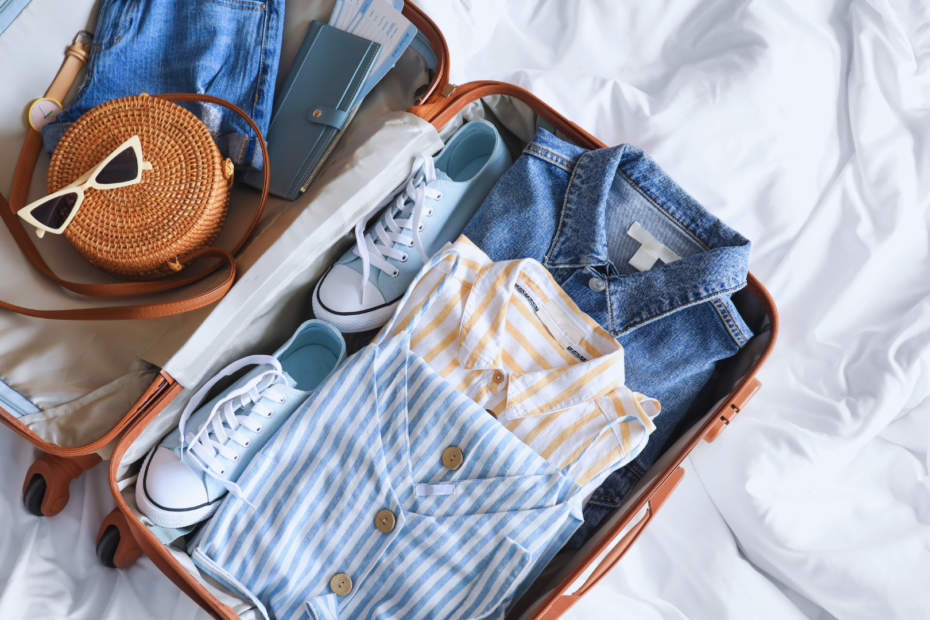
Packing light for long-term travel can seem daunting, but with the right approach, it becomes manageable. The key to effective packing lies in choosing versatile clothing and essentials that serve multiple purposes. This strategy not only reduces the weight of the luggage but also simplifies the travel experience.
Travelers often overlook the importance of planning outfits around a color palette. Sticking to a select range of colors allows for easy mixing and matching, making it easier to create various looks without overpacking. Additionally, choosing lightweight, quick-drying fabrics can enhance comfort and flexibility on the road.
Another important aspect is prioritizing the essentials that truly matter. Focusing on items that provide comfort, utility, and can withstand diverse environments will lead to a lighter bag. This considered approach empowers travelers to embrace spontaneity and enjoy their adventures.
Essentials of Packing Light
Packing light for long-term travel requires strategic choices regarding luggage, thoughtful packing lists, and proper documentation. Here are the key aspects to consider for a successful packing experience.
Choosing the Right Luggage
Selecting the right luggage can make a significant difference in packing efficiency. A durable carry-on bag is often a wise choice for long-term travel.
Considerations for luggage:
- Size: Opt for a bag that fits within airline carry-on dimensions. This allows for flexibility during transportation.
- Weight: Lightweight materials help avoid excess baggage fees and make carrying easier.
- Accessibility: Look for designs that offer easy access to essentials without rummaging through the entire bag.
Hard-shell cases provide protection, while soft-sided luggage allows for maximum packing flexibility. A good rule of thumb is to select luggage that can easily fit in various travel scenarios.
Creating a Minimalist Packing List
A minimalist packing list should focus on multipurpose items. This prevents overpacking while ensuring all necessary items are included.
Key items to consider:
- Clothing: Choose versatile clothing that can mix and match. Neutral colors work well for creating various outfits.
- Shoes: Limit to two pairs: one comfortable pair for walking and another for specific occasions.
- Toiletries: Use travel-sized containers or solid toiletries to save space and comply with airline regulations.
A well-structured packing list helps avoid unnecessary items. This can be achieved by evaluating each item’s importance and usability across different scenarios.
Important Travel Documents
Documents are essential and should be organized for easy access. This includes all necessary paperwork for international travel.
Crucial documents include:
- Passport: Ensure it is valid for at least six months beyond your intended stay.
- Visa: Check visa requirements for each destination and obtain necessary documentation in advance.
- Insurance: Keep copies of travel insurance information and any emergency contacts.
Using a travel document organizer can streamline the process. This helps travelers maintain peace of mind knowing they have everything needed for a smooth journey.
Smart Packing Strategies
Effective packing for long-term travel requires thoughtful strategies that maximize space and improve accessibility. Utilizing specific tools and techniques can streamline the packing process and enhance the travel experience.
Utilizing Packing Cubes and Compression Bags
Packing cubes are essential for organizing belongings by category. They keep items compact and visible, making it easy to find clothing or accessories without unpacking everything. She can allocate separate cubes for tops, bottoms, and smaller items.
Compression bags serve a similar purpose. By removing air, they reduce the volume of bulkier clothing items, such as jackets or sweaters. This is particularly useful for travelers heading to varied climates.
Using a combination of both packing cubes and compression bags can create significant space savings. He should place heavier items at the bottom of the suitcase to maintain balance, while lighter cubes can sit on top.
The Role of Multipurpose Items
Choosing multipurpose items minimizes the number of individual products packed. For example, a scarf can double as a blanket or a beach cover-up, providing versatility during travels.
Opting for clothing like quick-dry shirts or zip-off pants also enhances packing efficiency. They can adapt to different weather conditions and activities, reducing the need for multiple outfits.
In the toiletries category, select items that provide various functions, such as shampoo that also acts as a body wash. This strategy simplifies packing while ensuring essentials are covered without taking up extra space.
Organizing Your Daypack for Efficiency
A well-organized daypack is crucial for daily travel ease. He should prioritize items he frequently accesses, like a water bottle, snacks, or a guidebook.
Using smaller ziplock bags for electronics and chargers keeps them organized and protected from moisture. This applies to other essentials like first aid items or toiletries, providing quick access when needed.
He can designate specific compartments for different activities, ensuring that hiking gear doesn’t mix with city essentials. Utilizing the external pockets for a rain jacket or umbrella keeps the daypack streamlined and manageable, making travel more enjoyable.
Apparel and Personal Items
Packing light for long-term travel hinges on selecting the right clothing and personal items. The emphasis should be on versatility, practicality, and comfort to ensure a smoother journey.
Choosing Travel-Friendly Clothing
Opt for lightweight, moisture-wicking materials that dry quickly, like merino wool. This fabric is not only breathable but also odor-resistant, perfect for extended wear. A few well-chosen t-shirts and one or two long sleeves can provide options for layering.
Include a bathing suit, suitable for beach adventures or swimming pools. Additionally, a pair of versatile pants or shorts can complement various tops. Choose colors that mix and match easily. Packing no more than 5-7 items will keep the luggage light.
Selecting Toiletries and Personal Care Items
Travel toiletries should be compact and multi-functional. Invest in travel-sized containers for essentials like shampoo, conditioner, and body wash. A solid shampoo bar can replace liquids, saving space.
Consider a travel towel that is quick-drying and highly absorbent. Include essentials like a toothbrush, toothpaste, deodorant, and any personal hygiene products. Items like sunscreen and a small first-aid kit are crucial for unexpected situations. Use a waterproof pack to organize and protect these items.
Accessories and Weather-Appropriate Gear
Accessories can enhance a travel wardrobe without taking up much space. A good pair of sunglasses protects against sun damage while adding style. A lightweight scarf can serve multiple purposes—keeping warm, styling outfits, or providing cover from the sun.
Depending on the destination, include a compact rain jacket or windbreaker. Evaluate the climate to select appropriate accessories like hats and gloves when necessary. Always prioritize items that serve dual purposes to maximize utility and minimize weight.
Entertainment and Miscellaneous Items
Packing light for long-term travel necessitates careful consideration of entertainment and essential miscellaneous items. This includes selecting electronic devices wisely and preparing for health-related needs.
Electronic Devices and Chargers
Choosing the right electronic devices can enhance the travel experience. A Kindle is an excellent option for avid readers. It allows travelers to carry multiple books without the weight of physical copies.
To keep devices powered, consider a universal charger that is compact and lightweight. Portable power banks can be invaluable for keeping devices charged on the go. A good practice is to pack only one or two chargers to minimize bulk.
Travelers should also assess their media needs. Download movies or series prior to departure to access entertainment during downtime. A tablet can serve both as a reading device and for watching videos, saving space by eliminating the need for multiple devices.
Keeping Healthy with a Travel First Aid Kit
A travel first aid kit is essential for any long-term journey. It should include basic supplies such as band-aids, antiseptic wipes, and pain relievers. This ensures access to immediate care for minor injuries.
Consider adding personal medications and any specific items needed for allergies. Packing essential items helps in avoiding potential health risks while traveling.
Keeping a detailed list of contents within the first aid kit helps in quickly identifying required items. A compact kit can be easily tucked into a backpack, maintaining accessibility without adding much weight.
Guides and Reading Materials
Guidebooks provide valuable insights into new destinations, including local customs, key sights, and dining options. Opt for a lightweight guidebook or digital version to save space.
Furthermore, travelers can download travel apps to access maps and recommendations offline. This minimizes the need for bulky printed materials.
For relaxation, a load of eBooks or articles can be added to a Kindle. This versatile device supports various formats, allowing a personalized reading experience on the road.
By streamlining choices in this category, travelers can maintain a lighter load while still enjoying essential entertainment and information.