
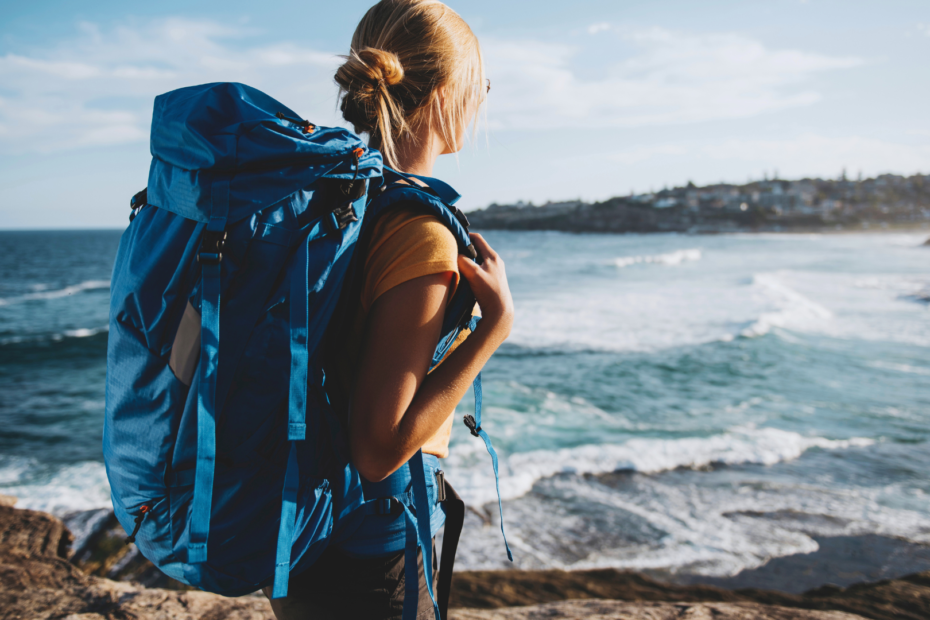
Backpacking can be a transformative experience, offering a way to explore diverse landscapes and cultures without breaking the bank. The ultimate guide to backpacking on a budget provides essential tips and strategies to help travelers maximize their adventures while minimizing costs. Whether it’s choosing affordable destinations or finding budget-friendly accommodations, every decision counts in keeping expenses low.
Cost-effective travel doesn’t mean sacrificing quality or experiences. By planning carefully and utilizing various resources, backpackers can enjoy rich experiences, from scenic hikes to local cuisines, without overspending. This guide will highlight practical advice that ensures budget travel remains exciting and fulfilling.
Travelers will learn how to prepare for their trips in a way that balances cost and adventure. From choosing the right gear to understanding local customs, this guide aims to equip readers with everything they need for successful backpacking on a budget.
Planning Your Backpacking Adventure
Effective planning is crucial for a successful backpacking trip. This involves selecting a destination, preparing a budget, and assembling the necessary equipment. Each step contributes significantly to the overall experience and enjoyment.
Choosing Your Destination
When choosing a destination, consider factors such as climate, terrain, and personal interests. Research popular backpacking spots, including national parks and scenic trails.
Online resources and travel forums can provide insights into lesser-known areas that suit a budget. Create an itinerary that focuses on free activities, such as hiking and camping.
Evaluate accessibility and available transport options. For those on a tight budget, consider destinations with free accommodation through platforms like Couchsurfing or local hostels.
Budgeting and Finance Tips
Creating a budget is essential for a successful backpacking trip. Start by outlining transport, accommodation, food, and entertainment costs.
Sample Budget Breakdown:
- Transport: $100-$300 (depending on distance)
- Accommodation: $0-$30 per night (hostels or free stays)
- Food: $5-$15 per day (cooking supplies vs. eating out)
- Activities: $0-$50 (free hiking vs. guided tours)
Utilize travel insurance for peace of mind, ensuring coverage for accidents or cancellations. Leverage the sharing economy to minimize accommodation and travel costs. Engage in meal planning; buying groceries can cut food expenses significantly.
Backpacking Checklist and Essentials
A comprehensive checklist ensures nothing important is left behind. Essential gear includes:
- Backpack: Appropriate size (40-70 liters)
- Tent: Lightweight and weather-resistant
- Sleeping Bag: Suitable for the climate
- Cooking Equipment: Portable stove, cookware, and utensils
- Navigation Tools: Map and compass for route finding
- First Aid Kit: Include bandages, antiseptic, and personal medications
Additional items like a water filter, multi-tool, and headlamp can enhance safety and convenience.
Regularly reassess and adjust the checklist based on the specific trip parameters. Prioritize versatility in gear to adapt to various situations.
Gear and Equipment
Finding the right gear is essential for backpacking on a budget. Selecting lightweight, multifunctional equipment can enhance the experience while keeping costs manageable.
Backpack and Storage
A durable, lightweight backpack is crucial. Look for models with a capacity of 50-70 liters, which balances space and weight.
Consider these features:
- Adjustable Straps: Ensures a comfortable fit.
- Multiple Compartments: Helps organize gear efficiently.
- Waterproof Cover: Protects contents from rain.
For storage, opt for compression sacks to save space in the backpack. Packing cubes or dry bags can also keep items organized and dry. Additionally, using a basic dry bag for clothes and electronics protects against moisture.
Shelter and Sleeping
Investing in a good tent is important. A 2-person, 3-season tent is typically lightweight and affordable. Features to prioritize include:
- Weight: Aim for under 4 pounds.
- Ease of Setup: Look for freestanding designs for quick assembly.
- Weather Resistance: Choose materials that withstand wind and rain.
A reliable sleeping bag rated for the expected temperatures is essential. Down or synthetic fill offers warmth. Pair it with a sleeping pad for insulation and comfort. A 1-inch thick foam pad is budget-friendly and provides decent cushioning.
Cooking and Nutrition
Backpacking food should be lightweight but nutritious. Consider using freeze-dried meals that only require water. Popular options include:
- Instant Oatmeal: A quick breakfast option.
- Dehydrated Soups: Easy to prepare and pack.
- Trail Mix: Energizing snacks for the trail.
A compact stove can streamline cooking. Look for a canister stove, which is light and efficient. Remember to bring a lightweight pot and utensils. Don’t forget water treatment options like purification tablets or filters to ensure safe drinking water while hiking. This will save money compared to buying bottled water.
On the Trail
When hiking on a budget, mastering techniques and ensuring safety are essential. Additionally, respecting the environment helps preserve trails for future generations.
Hiking Techniques and Safety
Proper hiking techniques enhance safety and enjoyment. Before heading out, familiarize yourself with the trail. Use maps and apps to avoid getting lost.
A good rule of thumb for pacing is the “10% rule,” which recommends increasing mileage gradually. Maintain a steady pace to avoid fatigue.
Carry essential safety gear, including a first aid kit, flashlight, and whistle. Wearing sturdy hiking boots provides support and reduces the risk of injury.
Additionally, she should stay hydrated and bring enough food. It’s wise to inform someone about travel plans and expected return times.
Respecting the Environment
Practicing the Leave No Trace principles is crucial when hiking. This includes packing out what you pack in. Avoid leaving trash and food scraps behind.
Minimize campfire impact by using a portable stove instead. Choose established campsites to prevent damage to sensitive areas.
When hiking, stick to designated trails to protect vegetation and wildlife. He should be mindful of wildlife encounters, observing from a distance.
Additionally, visitors should keep noise levels low to maintain the natural experience for all. Following these practices ensures that trails remain pristine and accessible for future hikers.
Accommodation Options
Selecting the right accommodation can significantly affect a backpacker’s budget. By leveraging the sharing economy and seeking out free options, travelers can save money while experiencing local cultures.
Exploring the Sharing Economy
The sharing economy has transformed how travelers find accommodation. Platforms like Airbnb and HomeAway offer diverse options, from entire homes to shared rooms.
Travelers can choose spaces based on their preferences, budget, and desired level of privacy. Prices often range from affordable to luxury, catering to various financial capacities.
Couchsurfing is another popular choice in this realm. It connects travelers with locals willing to offer a free place to stay. This not only reduces costs but also allows for unique cultural exchanges.
Travelers should read reviews before booking to ensure a positive experience. Clear communication with hosts can help set expectations and prevent misunderstandings.
Finding Free Accommodation
Securing free accommodation is possible with a little creativity and effort. Couchsurfing remains one of the best options for those willing to stay with locals. It fosters an intimate experience where hosts often share insights about their city.
Another alternative is volunteering through programs that offer lodging in exchange for work. Websites like Workaway and HelpX connect travelers with hosts needing assistance in various projects.
Travelers can also consider house sitting, looking after someone’s home and pets while the owners are away. Various platforms connect house sitters with homeowners.
While these options can be rewarding, they may require flexibility in travel plans. Being open to different living situations often leads to memorable and enriching travel experiences.