
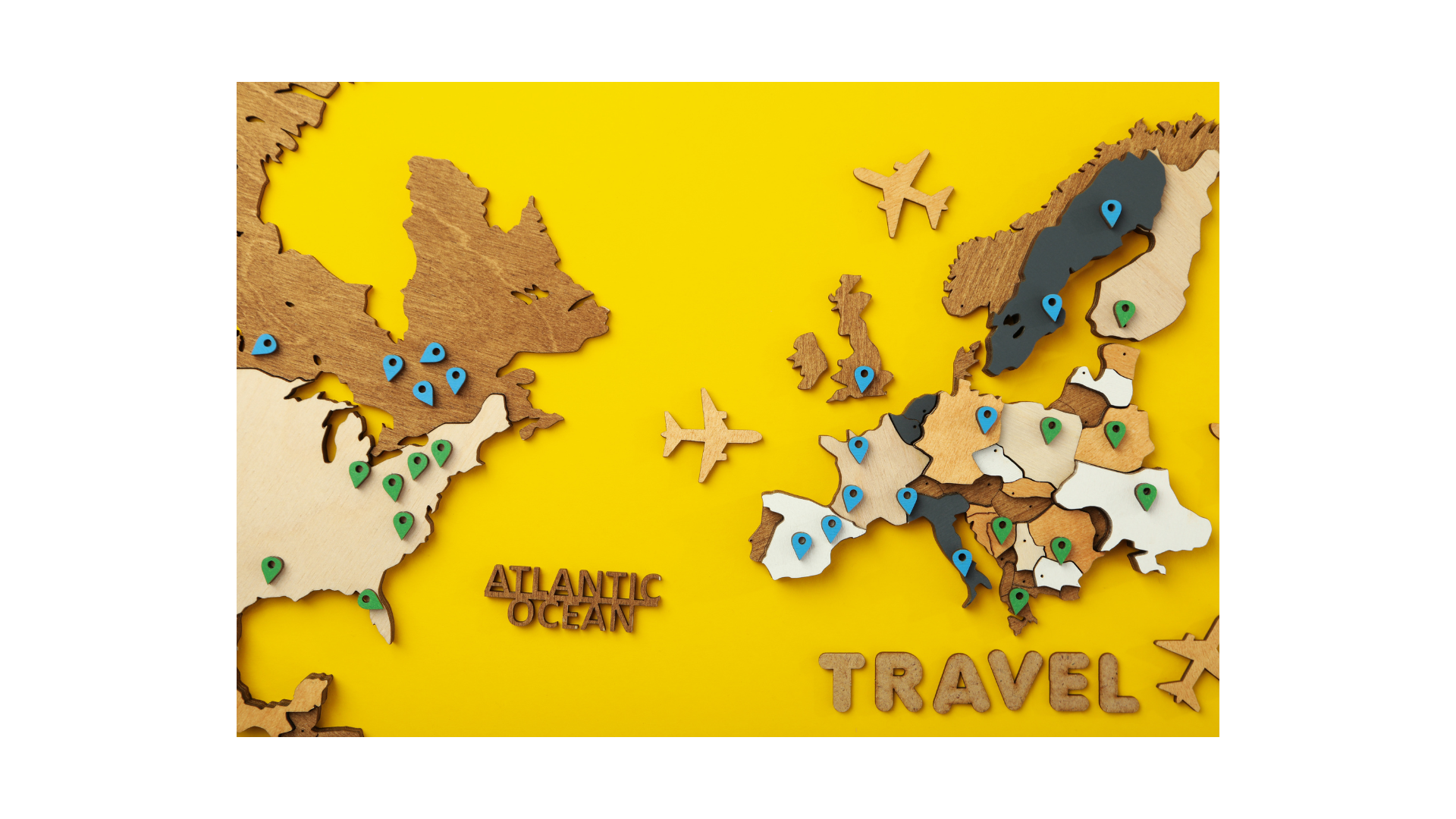
Traveling around Europe can be an exhilarating experience, filled with diverse cultures, stunning landscapes, and rich history. The best way to travel Europe is by utilizing a combination of trains and budget airlines, which allows for flexibility and access to both major cities and hidden gems. This approach provides an efficient and cost-effective way to explore the continent, making it ideal for anyone from first-time travelers to seasoned explorers.
Trains offer scenic routes and frequent connections between cities, ensuring that one can see much of what Europe has to offer. Budget airlines, on the other hand, can save time and money for longer distances. Together, these methods cater to varying travel styles and itineraries, accommodating the needs of travelers as they embark on their adventures across Europe. Choosing the right mode of transportation can enhance the travel experience and help make the most of a visit. Understanding the options available allows travelers to plan effectively, ensuring a memorable journey through some of the world’s most captivating destinations.
Choosing Your Transportation
Selecting the right transportation in Europe is crucial for efficient travel. This choice often depends on budget, time constraints, and personal preferences. Various options exist to navigate the continent effectively.
Train Travel Across Europe
Train travel offers one of the best ways to explore Europe. The extensive railway network connects major cities and scenic regions, making it a convenient option. Travelers can consider a Eurail Pass or Interrail Pass for flexible journeys across multiple countries. Overnight trains are available for longer distances, allowing travelers to save on accommodation while maximizing their sightseeing. Major operators, like Deutsche Bahn and Eurostar, provide comfortable services. Booking in advance through platforms like Omio can often yield significant savings. Additionally, stations offer luggage storage for travelers wanting to explore without their bags.
Buses and Coaches in Europe
Buses and coaches are an economical alternative for getting around Europe. FlixBus, Eurolines, and Megabus present affordable options to reach various destinations. Travel times can sometimes be longer than trains, but routes often connect areas that trains may not access directly. Online platforms, such as Rome2rio, can help plan routes and compare prices. This option is suitable for budget-conscious travelers. Buses generally come equipped with amenities like Wi-Fi and power outlets, enhancing the travel experience. They also offer overnight routes, which can provide cost-effective solutions for long-distance travel.
Self-Drive Explorations
Renting a car can provide travelers with the ultimate flexibility. Self-driving offers the chance to explore off-the-beaten-path destinations that public transport may not reach. Car rental companies are widely available, especially at airports. While driving in Europe, it’s important to consider different driving regulations and parking rules across countries. Tools like Blablacar can assist in finding rideshare or rental options. Travel time may vary based on the destination and traffic conditions. Overall, this option suits those who value independence and want to immerse themselves in local cultures away from conventional tourist paths.
Planning Your Itinerary
Creating a well-structured itinerary is essential for maximizing travel experiences in Europe. This involves selecting iconic landmarks, exploring cultural hotspots, and appreciating natural wonders.
Iconic Destinations and Landmarks
Europe is home to numerous landmarks that are must-see for travelers. The Eiffel Tower in Paris offers breathtaking views, while the Colosseum in Rome showcases ancient history. The Tower of London presents an opportunity to learn about British history, and the stunning architecture of Sagrada Familia in Barcelona is vital for art enthusiasts. Travelers should prioritize which landmarks resonate most with their interests. A mix of famous sites and hidden gems can enhance the journey, ensuring a rich experience within a limited timeframe, such as 10 days in Europe.
Cultural Hotspots and Routes
Cultural experiences can greatly enrich a traveler’s itinerary. Routes through Central Europe—especially through cities like Budapest, Vienna, and Prague—are filled with rich history and art. Southern Europe offers vibrant cultures, with the Mediterranean coastline featuring unique traditions and cuisine, particularly along the French Riviera.
Northern Europe, including the Lofoten Islands, captivates with its natural beauty and local customs. Engaging in local festivals or culinary tours can provide deeper insights into these regions. Travelers should consider their cultural preferences when planning, making it easier to explore and appreciate diverse European lifestyles.
Natural Wonders and Scenic Areas
Europe’s natural landscapes are breathtaking and diverse. The Blue Lagoon in Iceland offers a unique geothermal bathing experience amid stunning scenery. The fjords in Norway and the Lofoten Islands provide dramatic views, ideal for hiking and photography.
Southern Europe boasts beautiful coastlines, while the Alps attract outdoor enthusiasts with their skiing and hiking opportunities. Planning visits to parks and reserves can enhance connection with nature. Consider including time for outdoor activities, ensuring a well-rounded itinerary that balances city exploration with nature. This can lead to memorable experiences across different environments.
City-Specific Travel Considerations
Traveling around Europe offers unique experiences in each city, requiring tailored strategies for navigation, exploring lesser-known attractions, and effectively managing multiple trips.
Getting Around Urban Centers
City transport varies significantly across Europe. In major cities like London and Paris, public transit is efficient. The London Underground provides comprehensive coverage, making it easy to navigate different boroughs. Purchasing an Oyster card can further simplify travel. In Paris, the Metro is iconic, connecting tourists to various attractions, such as the Eiffel Tower and the Louvre. Travelers should also consider walking or biking, especially in compact cities like Florence and Amsterdam, where many areas are pedestrian-friendly. Budapest offers an affordable and reliable tram system. Meanwhile, in Rome, public buses and the Metro are vital for reaching more distant sites, including Vatican City.
Lesser-Known Gems
Beyond the famous sights, Europe is rich in lesser-known attractions. For instance, Brussels boasts the stunning Royal Palace, often overshadowed by the Atomium. Travelers can easily explore neighborhoods with unique architecture and local cuisine. Prague offers hidden gems like the John Lennon Wall and Vyšehrad, providing a quieter experience away from crowded hotspots. In Barcelona, stroll through Gràcia for vibrant street life and local shops that differ from the tourist-heavy Gothic Quarter. Copenhagen features Vesterbro, known for its trendy cafes and art spaces. Meanwhile, Vienna’s lesser-known district of Neubau offers galleries and diverse dining options, appealing to those seeking a local atmosphere.
Navigating Multicity Trips
When planning multiple trips, logistics are key. Rail travel is the most efficient means to connect cities. The Eurail pass can be a cost-effective option for extensive travel across countries like Italy, France, and Germany. For shorter distances, budget airlines cater to various routes, providing a quick way to reach cities like Oslo or Barcelona. Choosing a centralized base, such as Budapest, allows for day trips to neighboring countries. Using travel apps helps keep itineraries organized. Platforms like Google Maps and rail booking tools are essential for real-time updates. Careful planning ensures seamless transitions between diverse European experiences, from Venice’s canals to Stockholm’s archipelagos.
Travel Tips and Practicalities
Traveling around Europe requires careful planning and practical considerations. Here are key tips to enhance the experience.
Travel Advice
Start with a well-defined itinerary. Research destinations, transportation options, and accommodation ahead of time. Booking transport in advance often saves both time and money.
Travel Insurance
It is advisable to obtain travel insurance. This protects against unexpected incidents such as cancellations or medical emergencies. Ensure the policy covers all intended activities.
Shoulder Season
Consider traveling during the shoulder season, which typically falls between peak and off-peak seasons. This period offers fewer crowds and often more affordable prices, making it easier to explore.
Schengen Area
For many travelers, understanding the Schengen Area is crucial. This region allows for border-free travel among 26 European countries. Familiarize oneself with visa requirements to avoid complications.
Local Transportation
Utilize local transportation options like trains and buses. They are often efficient and provide a chance to see the landscape. Consider purchasing multi-day passes for additional savings.
Packing Tips
Pack light and versatile clothing. European cities often involve a lot of walking. Comfortable shoes and weather-appropriate attire are essential for enjoying daily explorations.